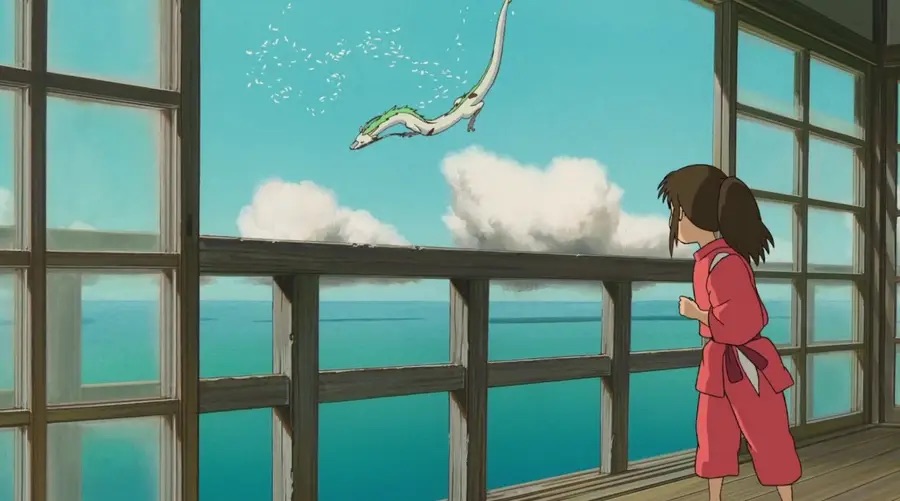
Spirited Away

Fan Page

Themes and Symbolism

Spirited Away uses symbolism to explore deeper ideas about supernaturalism, fantasy, greed, traditional Japanese culture, and environmentalism.

01

Supernaturalism

Spirits and the unseen world

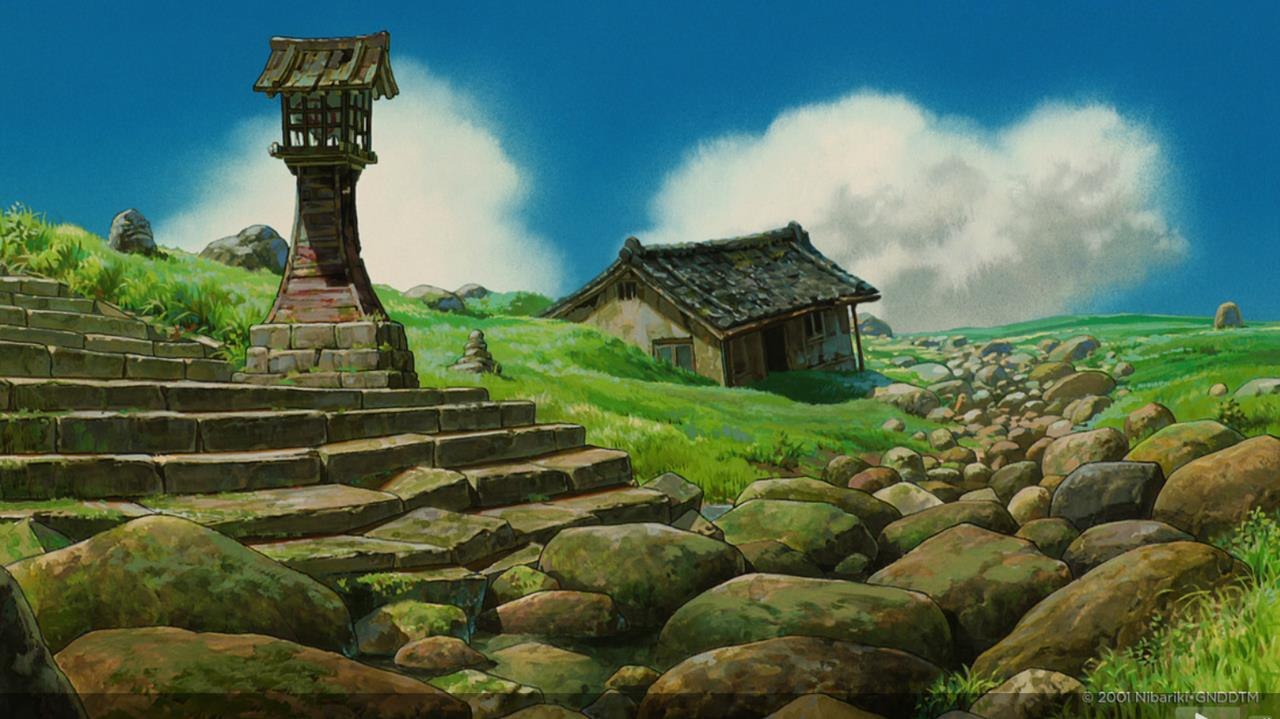
Spirited Away draws heavily from Japanese Shinto-Buddhist folklore, filling its spirit world with kami and other supernatural beings inspired by nature and tradition. Chihiro’s journey into this realm places her between childhood and adulthood, symbolizing a transitional stage of growth and self-discovery. Characters like No-Face further reinforce the film’s themes, reflecting how environment and influence can shape a person’s identity and behavior.

02

Fantasy

A dreamlike coming-of-age world

Spirited Away uses fantasy elements similar to stories like Alice in Wonderland, placing Chihiro in a dreamlike world where logic is distorted and transformation is common. Through magical events such as food causing physical change and Yubaba stealing Chihiro’s name, the film uses fantasy to symbolize Chihiro’s transition from childhood into adulthood and her journey toward forming a new identity.

03

Traditional Japanese Culture

Folklore, ritual, and memory

Spirited Away draws heavily from traditional Japanese culture through spiritual concepts like kami and ethical principles such as mottainai and on. At the same time, the film reflects Japan’s desire to reconnect with older traditions, using Chihiro’s search for identity as a symbol of cultural nostalgia and changing societal values.

04

Western Consumerism

Greed, excess, and corruption

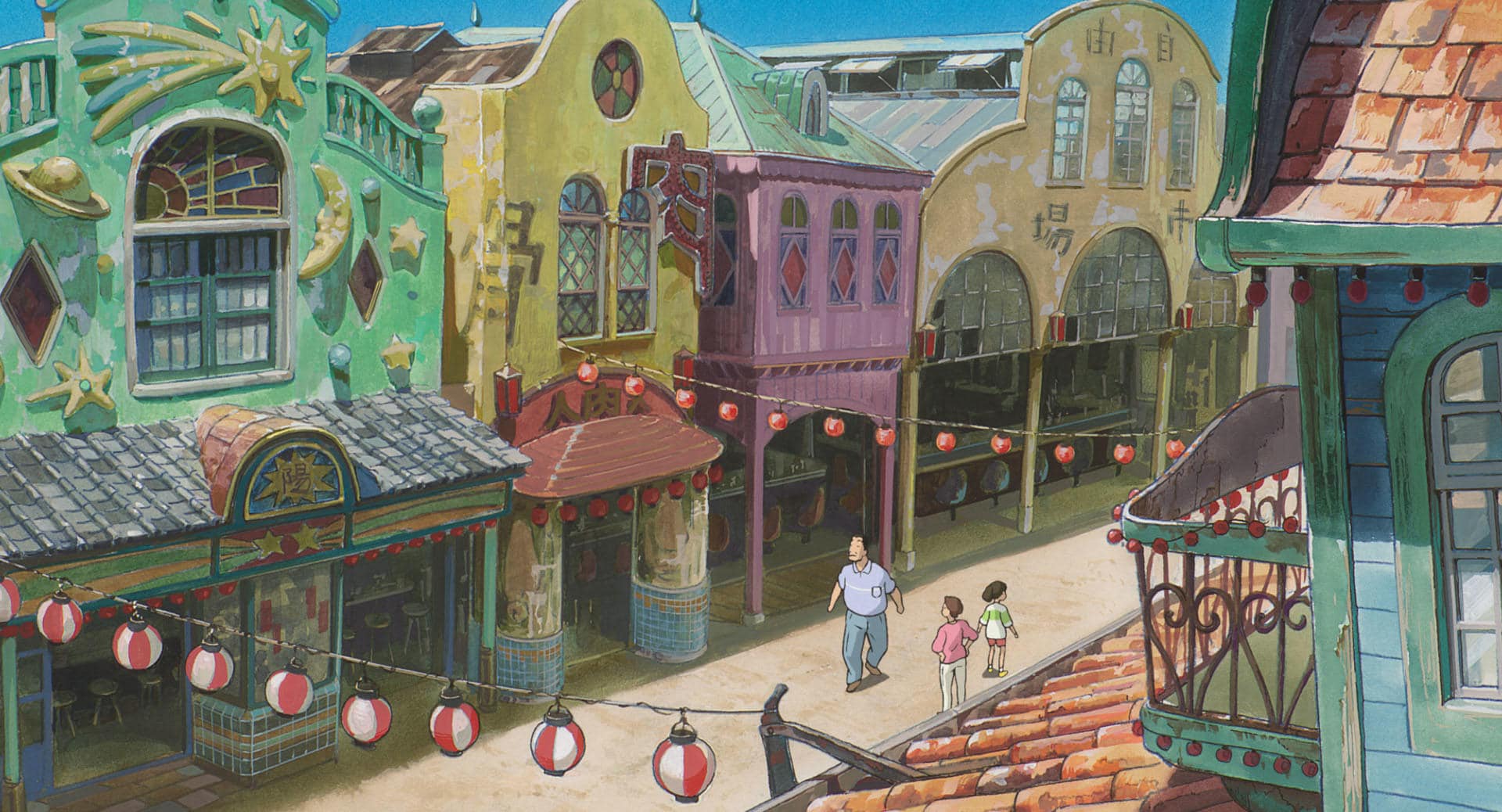
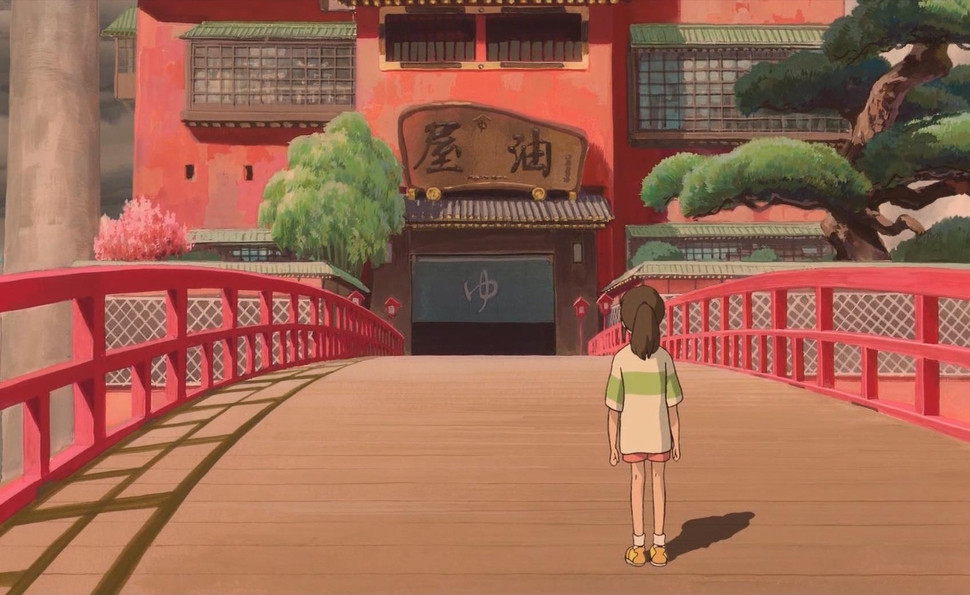
Spirited Away critiques greed and Western consumerism through symbols of excess, corruption, and material obsession. Characters like Yubaba and Chihiro’s parents represent how greed and capitalist values can distort identity, while the bathhouse and abandoned theme park reflect the erosion of traditional Japanese culture through commercialization and Western influence.

05

Environmentalism

Nature, pollution, and respect

Spirited Away highlights environmentalism by showing the harmful effects of pollution and human development on nature. The polluted river spirit represents environmental contamination caused by waste, while Haku’s lost identity as a destroyed river symbolizes how modernization can erase natural spaces and disconnect people from the environment.